வரலாறு

The Age of Revolutions

Introduction At the beginning of the eighteenth century, political, religious, social and economic conditions began to change all over the world, due to geographical discoveries, the Renaissance, the Reformation and “the age of kings”. By the time the eighteenth century ended, there were two revolutions: The American Revolution of 1775–83 and the French Revolution of […]

வரலாறு

Commercial Revolution

The Renaissance and the Reformation were accompanied by fundamental economic changes. The series of economic changes, making the transition from the semi-static, localised, non-profit economy of the late Middle Ages to the dynamic, world-wide, capitalistic regime of the fourteenth and succeeding centuries is known as the Commercial Revolution. This Revolution was gradual. T he causes […]

Uncategorized வரலாறு

Renaissance in Italy and its Spread in Western Europe

Significance of Renaissance The word Renaissance, of Latin origin, means rebirth or revival. It signifies the sudden revival of interest in the classical learning of Greece and Rome. In the course of development, however, the Renaissance became more than a mere revival of classical learning. It included an impressive record of new achievements in art, […]

வரலாறு

Modern World: The Age of Reason

Introduction : Three great events of the fifteenth and sixteenth centuries – the Renaissance, the geographical discoveries and the Reformation – mark a transition from the Middle Ages to the Modern. The essence of Renaissance was the centrality given to the human and the natural, with religion relegated to subordinate place. Renaissance had a profound […]

வரலாறு

Five year plans

India followed the example of the USSR in planning for development through five year plans. The Planning Commission was set up in 1950 to formulate plans for developing the economy. Each Plan assessed the performance of the economy and the resources available for future development. Targets were set in accordance with the priorities of the […]

வரலாறு

Development of Industry

India was committed to the idea of promoting rapid industrial growth for economic development. Development can be achieved through several pathways. In a country like India with a large population where many raw materials were grown or were available, processing industries which were more labourintensive would have also led to industrial growth. Alternatively, the Gandhian […]

வரலாறு

Development of Agriculture

(a) Green Revolution By the middle of the 1960s the scenario with regard to food production was very grim. The country was incurring enormous expenditure on importing food. Land reforms had made no impact on agricultural production. The government therefore turned to technological alternatives to develop agriculture. High Yielding Variety (HYV) of seeds of wheat […]

வரலாறு

Land Reforms and Rural Reconstruction

Under the Constitution of India, agriculture was a ‘state subject’, that is, each state had to pass laws relating to land reforms individually. Thus, while the basic form of land reforms was common among all the states, there was no uniformity in the specific terms of land reform legislation among the states. (a) Zamindari Abolition […]

வரலாறு

Envisioning a New Socio-Economic Order

Introduction : When India became independent in 1947, the economy of the country was very fragile and facing many problems. The level of poverty was very high. Nearly 80% of the population was living in rural areas, depending on agriculture for their livelihood. As the craft-based occupations had suffered during British rule, many skilled artisans […]

Economics Scool Subjects பொருளாதாரம்

International economics

Introduction:The subject ‘International Economics’ evolved from a simple theory of international trade was formulated to answer a few basic questions. The subject first originated in Western Europe on account of increasing importance of foreign trade in that part of the world.The contributions of classical economists like Adam Smith, David Ricardo, F.W. Taussig, Haberler, J.S.Mill and […]

Uncategorized

Glossary

1) Commercial Banks: These are the institutions that make short term loans to business and in the process create more. 2) Credit Creation: It means the multiplication of loans and advances. Commercial banks receive deposits from the public and use these deposits to give loans. 3)  Non-Bank Financial Institution (NBFI): It is a financial institution […]

Economics Uncategorized

Monetary Policy

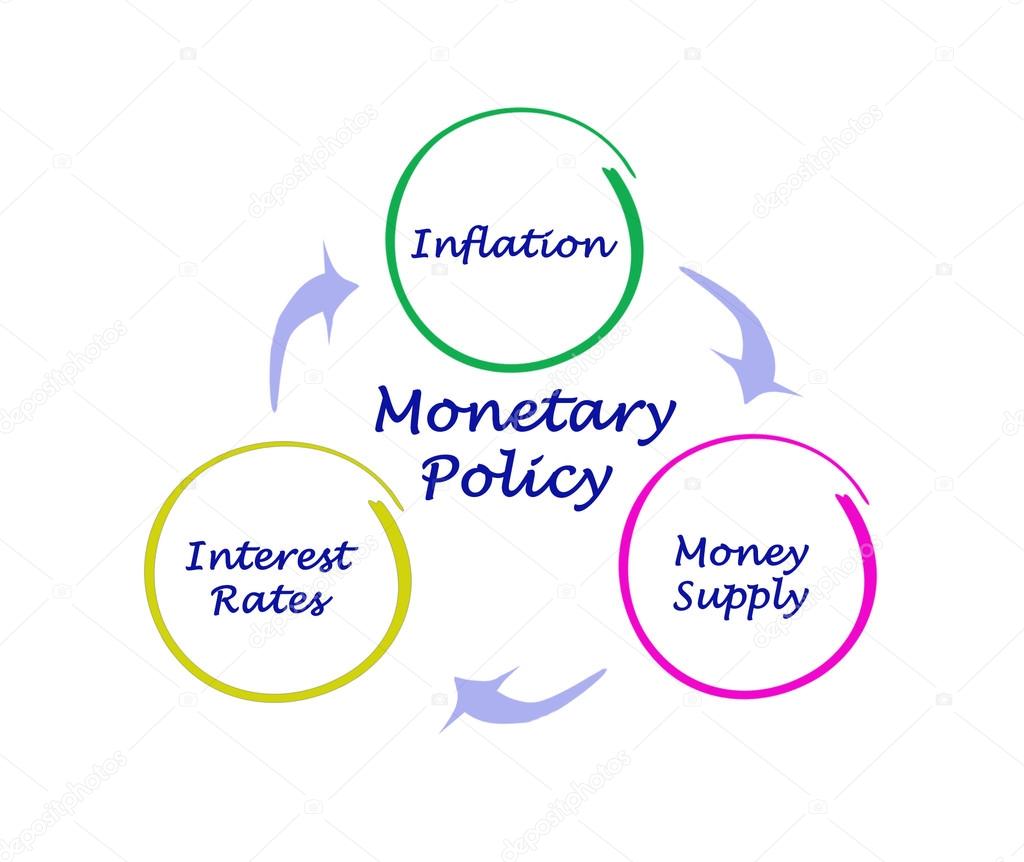
Monetary Policy is the macroeconomic policy being laid down by the Central Bank towards the management of money supply and interest rate. It is the demand side economic policy used by the government of a country to achieve macroeconomic objectives like inflation, consumption, growth and liquidity. The monetary policy gained its significance after the World […]

Economics

Reserve bank of India and industrial finance.

Reserve bank of India and industrial finance Though industries get finance from commercial banks, the quantum and the term will be very much limited generally. Commercial banks lend for short term only, as they get only short-term deposits from the public. Further lending to industries is only a fragment of the total lending by the […]

Economics

Credit Control Measures

Credit control is the primary mechanism available to the Central banks to realize the objectives of monetary management. The RBI is much better placed than many of credit control. The statutory basis for the control of the credit system by the Reserve Bank is embodied in the Reserve Bank of India Act, 1934 and the […]

Economics

Central Bank

A central bank, reserve bank, or monetary authority is an institution that manages a state’s currency, money supply, and interest rates. Central banks also usually oversee the commercial banking system of their respective countries. Functions of Central Bank (Reserve Bank of India) The Reserve Bank of India (RBI) is India’s central banking institution, which controls […]