In the aftermath of the French Revolution, when Napoleon was holding the entire Europe to ransom, another revolution which was destined to affect the history of mankind was taking place in England. This was the Industrial Revolution. Industrial Revolution refers to the adoption of a system of producing commodities on a large scale in huge […]
வரலாறு
Revolution in Latin America
The regions of Latin America were conquered by the Spanish in the sixteenth century. The Portuguese and the French also had their presence there. The political power of the South American cultures such as the Incas and the Aztecs was destroyed by these colonial powers. The colonizers (conquistadores) brought to an end the local religious […]
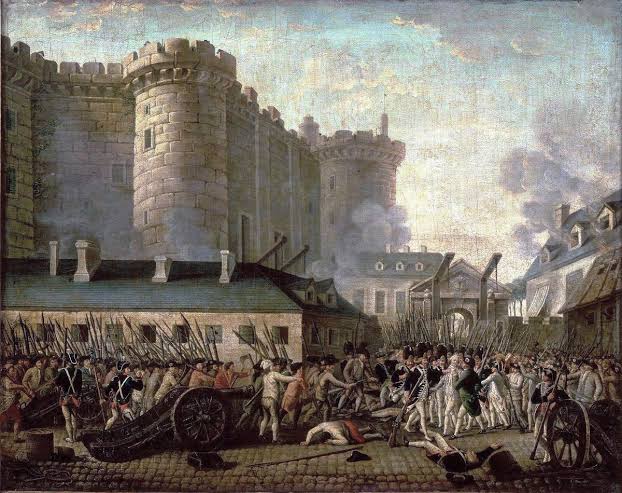
The French Revolution
In the 18th century, Europe was ruled by monarchs of various dynasties, and they wielded absolute powers. Along with the nobility and clergy they enjoyed hereditary privileges. In France the clergy and nobility did not pay taxes like the common people. It was in this context that the French Revolution occurred and stood for liberty, […]
The American War of Independence
During the Age of Discovery, adventurous seafarers explored the so-called New World and discovered new trade routes with royal support. T his ensured better connectivity and profits. King James I sent an expedition to Virginia where a colony was established in 1607 and named Jamestown. Then the pilgrims from Britain sailed in a ship called […]
The Age of Revolutions
Introduction At the beginning of the eighteenth century, political, religious, social and economic conditions began to change all over the world, due to geographical discoveries, the Renaissance, the Reformation and “the age of kings”. By the time the eighteenth century ended, there were two revolutions: The American Revolution of 1775–83 and the French Revolution of […]
Rise of New Monarchies/ Nation-States
In the age of feudalism, the kings entered into agreement with the nobility for the provision of arms and ammunition during war with enemies. In return the kings offered them knighthood and tax free lands. The ‘fief’ was a land given to the nobles as tax free for services rendered to the kings. This relationship […]
Protestant Reformation and Catholic Counter Reformation
The people of medieval Europe were mainly Christians who believed in the power of god. God-fearing Catholics accepted the role of the Church that acted as the medium between them and god. T he church became the focal point for all the activities of common people from birth to death. In due course of time, […]
Commercial Revolution
The Renaissance and the Reformation were accompanied by fundamental economic changes. The series of economic changes, making the transition from the semi-static, localised, non-profit economy of the late Middle Ages to the dynamic, world-wide, capitalistic regime of the fourteenth and succeeding centuries is known as the Commercial Revolution. This Revolution was gradual. T he causes […]
Discovery of New Sea Routes to the East
The Turkish conquests and the fall of Constantinople provided stimulus to the European maritime nations to find a sea route to the East so that they did not have to depend on the old land routes controlled by the Ottomans. These efforts eventually resulted in the great geographical discoveries which revealed to Europeans the existence […]
Renaissance in Italy and its Spread in Western Europe
Significance of Renaissance The word Renaissance, of Latin origin, means rebirth or revival. It signifies the sudden revival of interest in the classical learning of Greece and Rome. In the course of development, however, the Renaissance became more than a mere revival of classical learning. It included an impressive record of new achievements in art, […]
Modern World: The Age of Reason
Introduction : Three great events of the fifteenth and sixteenth centuries – the Renaissance, the geographical discoveries and the Reformation – mark a transition from the Middle Ages to the Modern. The essence of Renaissance was the centrality given to the human and the natural, with religion relegated to subordinate place. Renaissance had a profound […]
Education, Science and Technology
(a) Education Education and health constitute the social sectors, and the status of education and health indicators are yardsticks for assessing the level of social development in a country. Literacy levels have increased in India from 18.3% in 1951 to 74% in 2011. Female literacy still lags behind the male literacy rate at 65% as […]
Five year plans
India followed the example of the USSR in planning for development through five year plans. The Planning Commission was set up in 1950 to formulate plans for developing the economy. Each Plan assessed the performance of the economy and the resources available for future development. Targets were set in accordance with the priorities of the […]
Development of Industry
India was committed to the idea of promoting rapid industrial growth for economic development. Development can be achieved through several pathways. In a country like India with a large population where many raw materials were grown or were available, processing industries which were more labourintensive would have also led to industrial growth. Alternatively, the Gandhian […]
Development of Agriculture
(a) Green Revolution By the middle of the 1960s the scenario with regard to food production was very grim. The country was incurring enormous expenditure on importing food. Land reforms had made no impact on agricultural production. The government therefore turned to technological alternatives to develop agriculture. High Yielding Variety (HYV) of seeds of wheat […]
Land Reforms and Rural Reconstruction
Under the Constitution of India, agriculture was a ‘state subject’, that is, each state had to pass laws relating to land reforms individually. Thus, while the basic form of land reforms was common among all the states, there was no uniformity in the specific terms of land reform legislation among the states. (a) Zamindari Abolition […]
Envisioning a New Socio-Economic Order
Introduction : When India became independent in 1947, the economy of the country was very fragile and facing many problems. The level of poverty was very high. Nearly 80% of the population was living in rural areas, depending on agriculture for their livelihood. As the craft-based occupations had suffered during British rule, many skilled artisans […]
Ponniyin selvan tamil story in Web series – Hear your favourite novel story in Audio book – kalkiyin Ponniyin selvan tamil Novel
Ponniyin Selvan is widely considered by many to be the greatest novel ever written in Tamil literature. It was first published as a series in the Kalki , a Tamil language magazine, during the 1950s and was later integrated into a novel. The craze for the series which was published weekly was such that it elevated […]
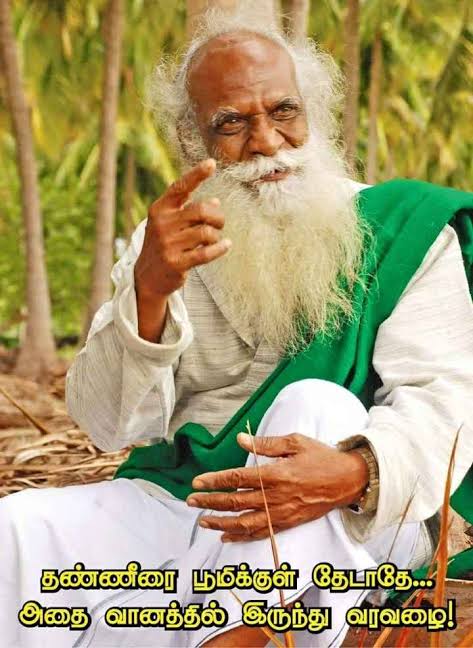
இயற்கை விவசாயி அய்யா நம்மாழ்வாரின் வாழ்க்கை வரலாறு
நம்மாழ்வார், தஞ்சை மாவட்டத்தில் 06 ஏப்ரல் 1938 ஆம் ஆண்டு பிறந்தார். இவரின் தந்தை ச. கோவிந்தசாமி மற்றும் தாயார் அரங்கநாயகி என்கிற குங்குமத்தம்மாள் ஆகியோர்கள் ஆவார்.(சான்று த.ரெ.தமிழ்மணியின் நம்மாழ்வார் வாழ்க்கைக் குறிப்பு நூல்) இவர் அண்ணாமலைப் பல்கலைக்கழகத்தில் விவசாயத்தில் இளங்கலைப் பட்டம் பெற்றார். 2007 ஆம் ஆண்டு காந்திகிராம பல்கலைக்கழகம் இவருக்கு அறிவியலில் மதிப்புறு முனைவர் பட்டம் தந்தது. கோவில்பட்டி மண்டல மழைப்பயிர் ஆய்வகத்தில் 1960ஆம் ஆண்டு ஆய்வு உதவியாளராக பணியில் சேர்ந்து ஆய்வகங்களில் நிலவும் […]
வரலாற்றில் உலக வர்த்தக புரட்சி
மறுமலர்ச்சி மற்றும் சீர்த்திருத்த நடவடிக்கைகளுடன் அடிப்படைப் பொருளாதார மாற்றங்களும் நிகழ்ந்தன. இந்த தொடர் பொருளாதாரமாற்றங்களின் விளைவாக இடைக்காலத்தின் பிற்பகுதியில் இருந்த ஓரளவு நிலையான, உள்ளூர் நிலையிலான, இலாப நோக்கற்ற பொருளாதாரம், பதினான்காம் நூற்றாண்டு மற்றும் அதனை அடுத்து வந்த நூற்றாண்டுகளில் உலகளாவிய வலுவான முதலாளித்துவ நிலைக்கு மாற்றம் பெற்றது. வர்த்தகப் புரட்சி என்று அழைக்கப்பட்ட இது திடீரென நிகழ்ந்துவிடவில்லை படிப்படியாகவே நிகழ்ந்தது. புரட்சியின் தொடக்கத்துக்கான காரணங்கள் (அ) மத்தியதரைக்கடல் வர்த்தகம் இத்தாலிய நகரங்களால் கைப்பற்றப்பட்டது.(ஆ) இத்தாலிய நகரங்கள் […]