வரலாறு

Jesus life story

Birth of Jesus to His Death The angel Gabriel was sent to a fine young woman named Mary. He told her that she would have a child who would rule as king forever. The child, Jesus, was born in a stable, where shepherds visited him. Later, a star guided men from the East to the […]

வரலாறு

A brief about Brihadeeswarar Temple

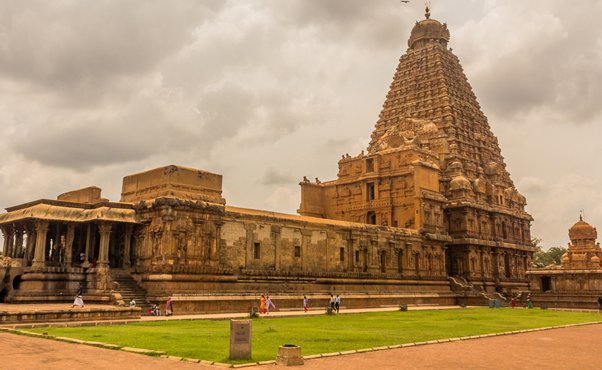
Built in : 1003-1010 AD Year of Inscription : 1987 Reasons for Inscription : Criteria number (2) and (3). It is a peerless piece of architecture and represents the culture during Chola Dynasty in India. Moreover, it is a significant Hindu Temple built in ancient times. Peruvudaiyar Kovil, well known as Brihadeeswarar Temple, RajaRajeshwara and […]

வரலாறு

Wonders of the world

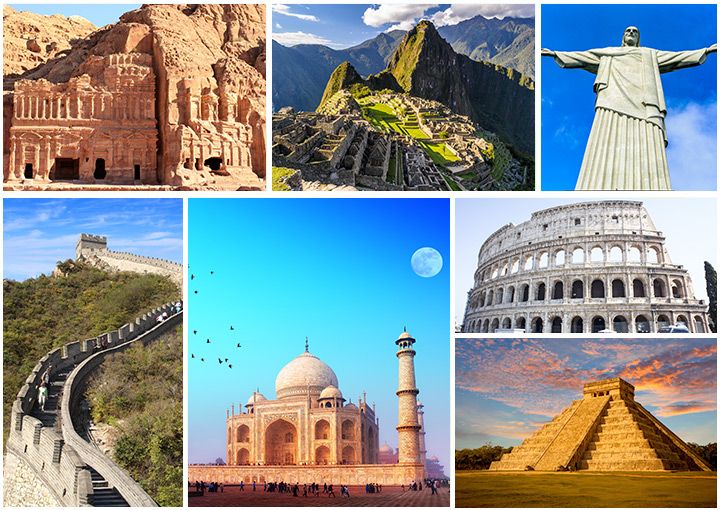
WHEN IT COMES TO naming the world’s greatest hits, seven seems like an awfully small number. Especially considering only one of the seven original, ancient wonders is still standing — the Great Pyramid of Giza. In 2007, a Swiss foundation put it to the public to nominate a new crop of modern wonders, seizing the […]

வரலாறு

Collaboration with Indian Merchants

From the beginning of their trading venture in India, the Europeans realized that they could succeed only with the help and collaboration of the leading Indian merchants. The merchants, on their part, saw in the Europeans a great new business opportunity for expansion, and worked with them. In Surat, the merchants were functioning with the […]

வரலாறு

The Coming of the Europeans

Introduction The beginning of British rule in India is conventionally ascribed to 1757, after the Battle of Plassey was won by the English East India Company against the Nawab of Bengal. But the Europeans had arrived in India by the beginning of the sixteenth century. Their original intention was to procure pepper, cinnamon, cloves and […]

வரலாறு

The Coming of the Europeans

Introduction The beginning of British rule in India is conventionally ascribed to 1757, after the Battle of Plassey was won by the English East India Company against the Nawab of Bengal. But the Europeans had arrived in India by the beginning of the sixteenth century. Their original intention was to procure pepper, cinnamon, cloves and […]

UG degree வரலாறு

Maratha Rule in Tamilnadu

Circumstances leading to its establishment Krishna Devaraya, during his reign (15091529), developed the Nayankara system. Accordingly, the Tamil country was divided into three large Nayankaras: Senji, Thanjavur and Madurai. Under the new system the subordinate chieftains were designated as Palayakkarars and their fiefdom as Palayams. T hanjavur which remained as a part of the Chola […]

வரலாறு

The Anglo-Maratha Wars

(a) The First Anglo Maratha War (1775-1782) Madhav Rao Narayan was an infant Peshwa under the regency of Nana Fadnavis. The usurping of power by Ragunath Rao, uncle of the former Peshwa Madhava Rao I, provided the scope for the Company administration to fish in the troubled waters. The Company administration in Bombay supported Ragunath […]

வரலாறு

Rule of the Peshwas (1713-1818)

Rule of the Peshwas (1713-1818) The Peshwa or the prime minister was the foremost minister in the Ashta Pradhan,the council of ministers of Shivaji. The Peshwas gained more powers and became dominant in the eighteenth Century. Balaji Viswanath was the first powerful Peshwa. Peshwa is a Persian word which means “Foremost” or the “First Minister”. […]

வரலாறு

Maratha Administration

Central Government Shivaji was a not only a great warrior but a good administrator too. He had an advisory council to assist him in his day-to-day administration. This council of eight ministers was known as Ashta Pradhan. Its functions were advisory. The eight ministers were: 1) The Mukhya Pradhan or Peshwa or prime minister whose […]

வரலாறு

Marathas after Shivaji

Marathas after Shivaji A year after the death of Shivaji, his eldest son and successor Sambhaji led a Maratha army into Mughal territory, captured Bahadurpur in Berar, and plundered its wealth. Provoked by this humiliation, Aurangzeb struck a compromise with the Mewar Rajputs and led an army into the Deccan. Bijapur and Golkonda were annexed […]

வரலாறு

Shivaji 1627-1680

Shivaji was born in Shivner near Junnar. He was the son of Shahji Bhonsle by his first wife Jijabai. Shahji was a descendant of the Yadava rulers of Devagiri from his mother’s side and the Sisodias of Mewar on his father’s side. Shahji Bhonsle served under Malik Ambar (1548–1626), former slave, and the Abyssinian minister […]

வரலாறு

The Marathas introduction

Introduction The Marathas played a major role in the decline of Mughal power. Under the dynamic leadership of Shivaji, they posed a strong challenge to Mughal power during the 1670s. By the middle of the 18th century, they had succeeded in displacing Mughal power in central India. Nayak rule ended in 1674 in Thanjavur, when […]

UG degree வரலாறு

Science and Technology

The Madrasas continued to be concerned principally with Muslim theology and its vast literature. In great learning centres like Varanasi, astrology was taught and there was no institution in India, as noted by the French traveller Bernier, to the standards of colleges and universities in Europe. This made the imparting of scientific subjects almost impossible. […]

வரலாறு

Religion

T he Mughal period witnessed a continuing assertion of all the basic elements in puranic traditions. Though it was difficult to speak of Hinduism as a single body of doctrine, in view of the countless faiths and innumerable customs and practices, having developed in mutual interaction and expressed in a large part in the same […]

வரலாறு

Economy

Economy The Mughal economy was a forest-based agricultural economy. The forests provided the raw materials for the craftsmen. Timber went to carpenters, wood carvers and shipwrights, lacquerware makers; wild silk to reelers and weavers; charcoal to iron miners and metal smiths. Hence the relationship between manufacturing and the forest was very close. Different classes of […]

UG degree வரலாறு

Mughal society

Mughal Society The population of India is estimated to have been around 15 crores in the 16th century and 20 crores in the 18th century. Large areas of land were under forest cover and the area under cultivation would have been much less. As agriculture was the prime occupation of the society the village community […]

வரலாறு

Aurangzeb (1658–1707)

Aurangzeb (1658–1707) Aurangzeb Alamgir (“World Conqueror”) ascended the throne in 1658 after getting rid of all the competitors for the throne, Dara Shukoh, Shuja and Murad, in a war of succession. His reign of fifty years falls into two equal parts. During the first twenty-five years he resided in the north, chiefly at Delhi, and […]

வரலாறு

Shah Jahan

Shah Jahan (1627-1658) When Shah Jahan ascended the throne in Agra his position was secure and unchallenged. Yet the affairs of the empire needed attention. The Afghan Pir Lodi, with the title Khanjahan, who had been governor of the southern provinces of the empire was hostile. Despite Shah Jahan’s order transferring him from the government […]

வரலாறு

Jahangir (1605–1627)

Jahangir (1605–1627) Akbar was succeeded by his son Salim with the title Nur-ud-din Jahangir. He was Akbar’s son by a Rajput wife. His ascension was challenged by his eldest son Prince Khusrau who staged a revolt with the blessings of Sikh Guru Arjun Dev. Prince Khusrau was defeated, captured and blinded, while Guru Arjun Dev […]